A BRIEF HISTORY OF AHKAM
While many tribes existed, all the known world had become polarized into two primary camps: the “Nakaw Nac,” led by “ The Phosphoros” (Bringers of Dawn), would be comparable to Earth’s Mayan culture and the “Nigan Natec” a tribal confederation similar to that of the Sioux nation. Ahkamians that belonged to the Nakaw Nac believed it was of the utmost importance to have laws and rules about the memories that were passed down.
These were strict laws enforced by penalties that varied depending on the offense. The society was draconian, with some offenses carrying a sentence of death. These laws determined what kind of memories could be shared, when the memories could be passed down and which genders could accept different kinds of memories. Only the Great Chiefs were allowed to pass all memories down to their kin, who in turn would become one of the “Circle of Twelve”, more commonly referred to as the “The Phosphoros”. Only children of The Phosphoros would be permitted into the circle and each member was allowed to put forward three children for consideration in a lifetime. Only once they were admitted, would all the memories be shared.
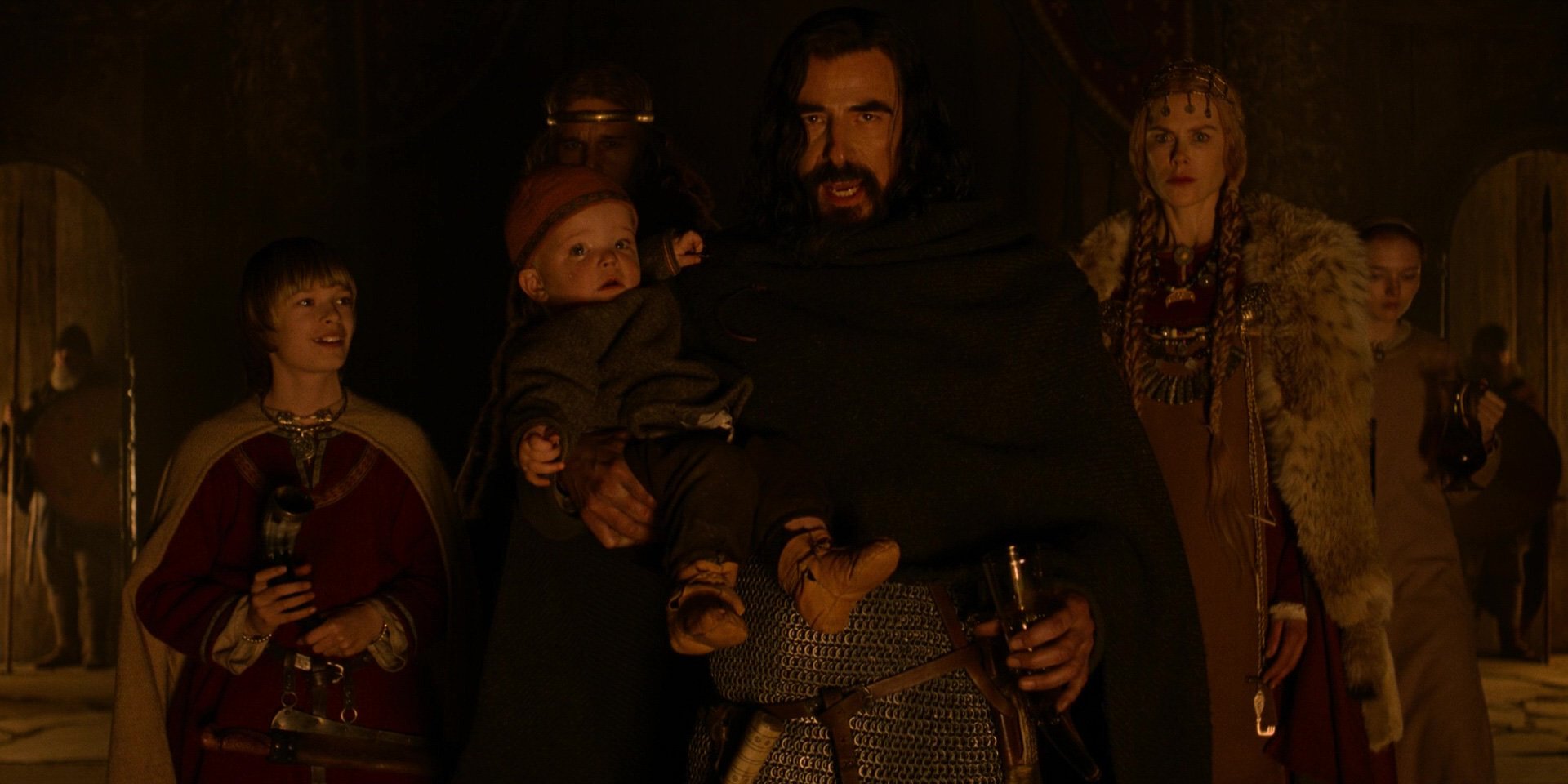
The Nakaw Nac's conservative ways had allowed The Phosphoros to maintain control over the masses in ways that was never achieved by the Nigan Natec. The Nakaw Nac were able to erect huge ancient cities that were both major trading posts and religious centers.
Tribes within the Nigan Natec typically did not live within walled cities. Some were hunter-gatherer, some farmed, however few villages larger than 500 inhabitants existed. The Nakaw Nac did not view the Nigan Natec as a serious danger to their society. Only when they would unify into a larger tribal confederation did they pose a real threat.
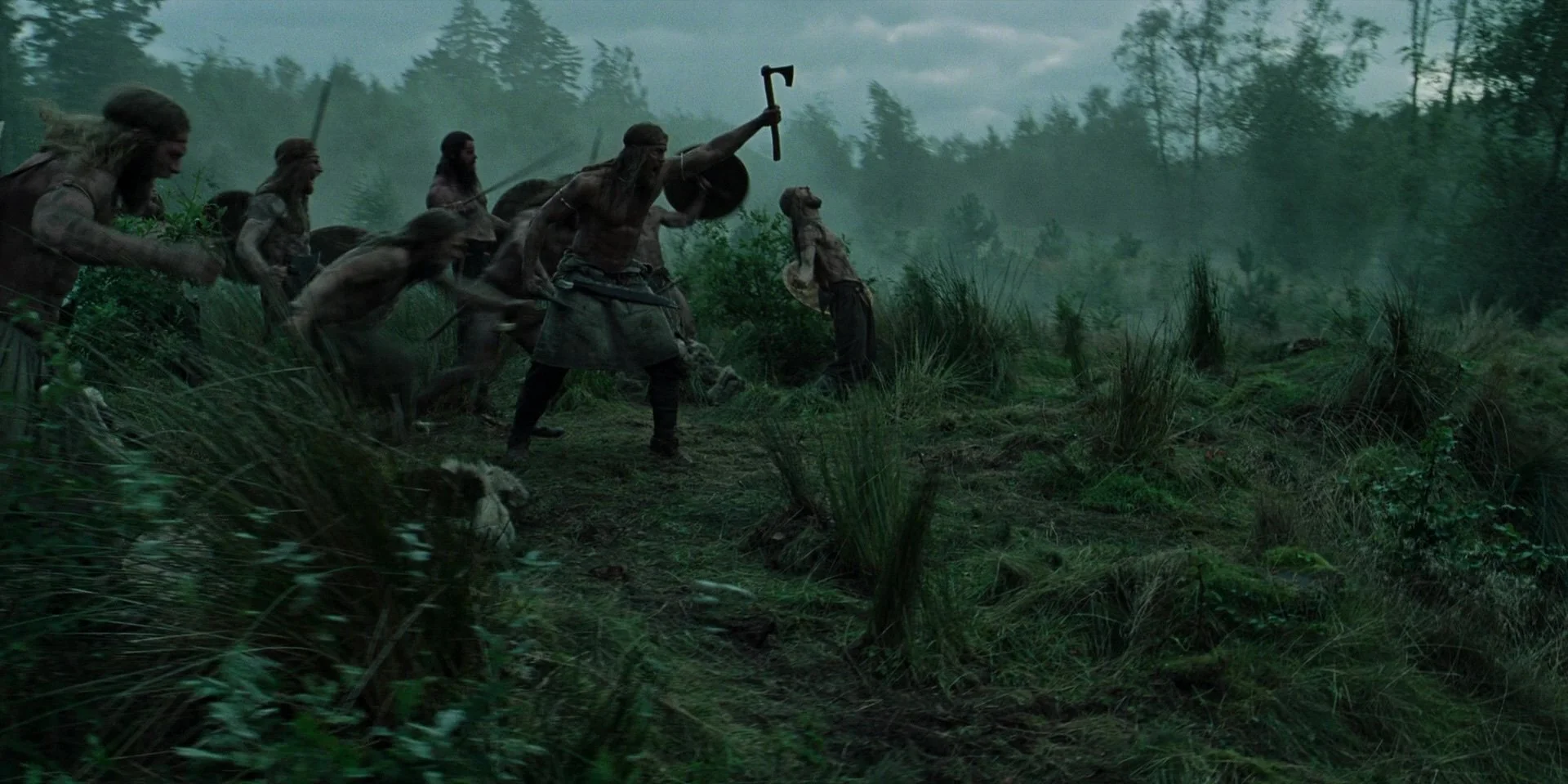
The Nigan Natec believed in what we would consider to be “free speech.” They believed that it was up to the father and mother to decide what memories to pass down and when. They said that no law should be established to impede on what amounted to a natural right of passage to adulthood. While their societies resembled much more democratic institutions, infighting and age-old feuds constantly kept factions separated. They were never able to achieve the large unified cities that the laws of the The Phosphoros had created fertile ground for.
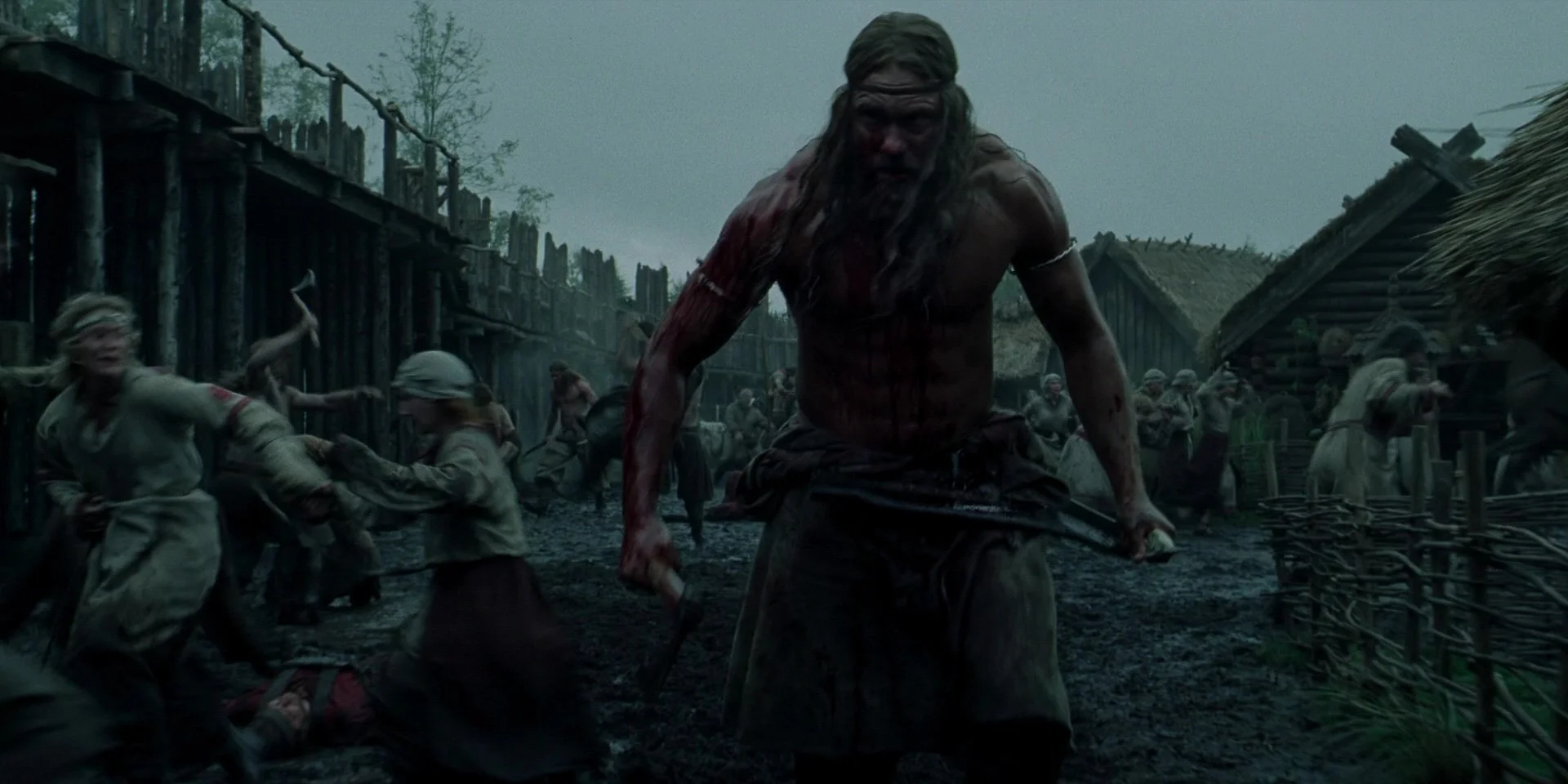
After “The War That Never Was,” the Two Great Tribes came together in pursuit of a newfound goal: to discover the origin of the amazing, iconic object from the stars. Over the next 500 years, the many tribes of the Nigan Natec gave up their personal freedoms, left the jungles and their nomadic way of life to join the great cultural centers and cities and do their part in discovering the secrets contained on this golden disk.
The entrance of the Nigan Natec into the society of the Nakaw Nac had a liberalizing effect on the entire society. Overtime, sexuality become a very free thing; Earth’s understanding of marriage and relationships would have no place here. In general, memories were shared without much consequence unless the highest laws were broken. However, the The Phosphoros continued to hold their place as leaders.
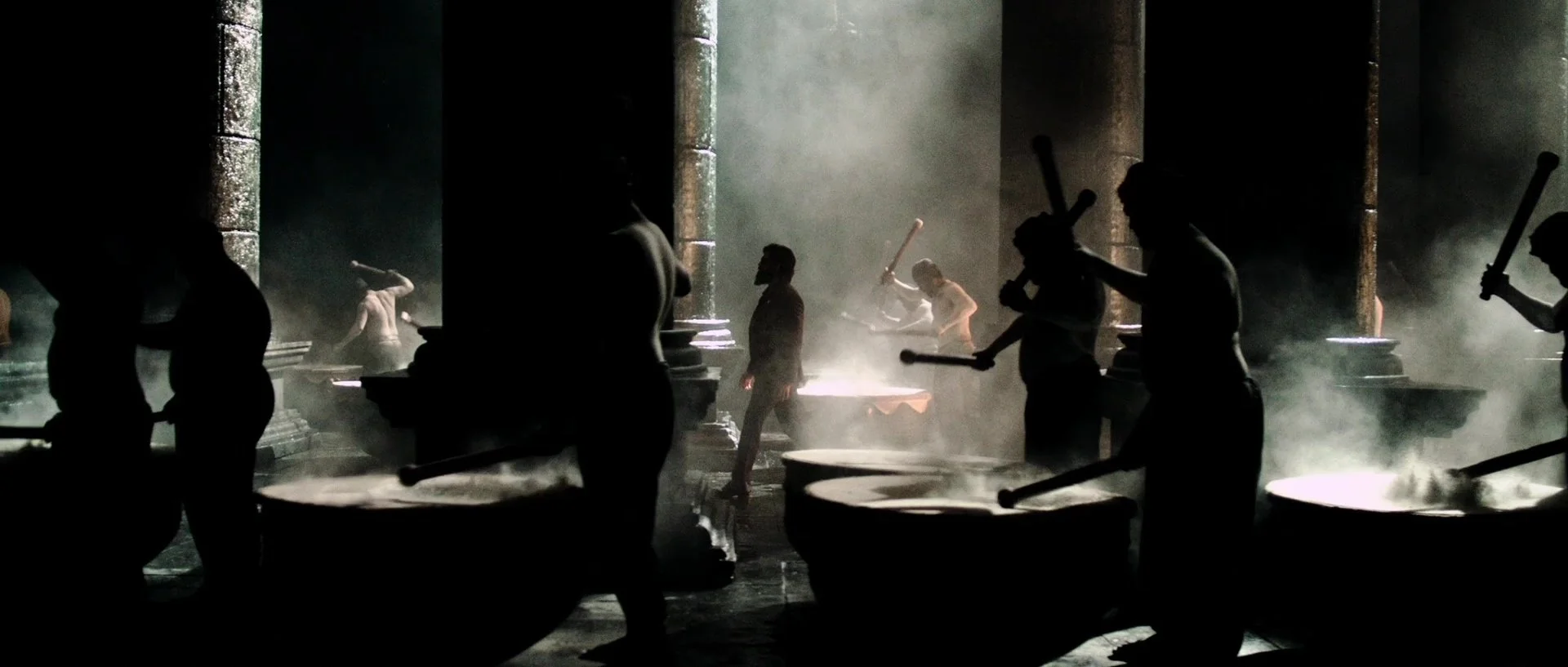
Eventually, a new split began to form. In the years leading up to the discovery of the record player (similar to our phonograph), many Ahkamians became very complacent about sharing memories. They were much more focused on what seemed to be a far more important task: learning to read this letter from the gods. The Phosphoros began having to instill upon people the importance of sharing memories at all. This was a big shift—religious people advocated for the sharing of memories, while the early scientists, or knowledge seekers, simply did not see the importance of the old ways.
Once the ability to listen to the record had been achieved, things began to crystalize. The realization that this was not a message from the gods but from another species from a far away planet called Earth, that Earthlings looked exactly like Ahkamians, changed everyone’s perspective. Society divided into two camps once again.
On one side, were those that felt that the preservation of the Ahkamian culture and the old religion was most important. The other side felt that going forward was the only way and only one thing mattered: developing the means to communicate with these brothers, who had saved them in their darkest hour, 500 years before.
After years of debate, the two sides came to an agreement. Those that wished to turn their backs on technology and the new ways in order to preserve the “Dawn”, they would leave the cities and live deep in the jungles. Territories were decided upon and lines were drawn up that would not be crossed for more than a thousand years.
It took another 500 years for the people of Ahkam to achieve the technology that would allow them to send a message to Earth. By this time, Ahkamians had all but forgotten about their ability to share memories. It was reduced to a physical reaction that one had while having sex; when the nerve endings would expose themselves involuntarily during orgasm. Beyond that, to Ahkamians living in mainstream society, these nerve tips served no purpose.
THE CHROMOS
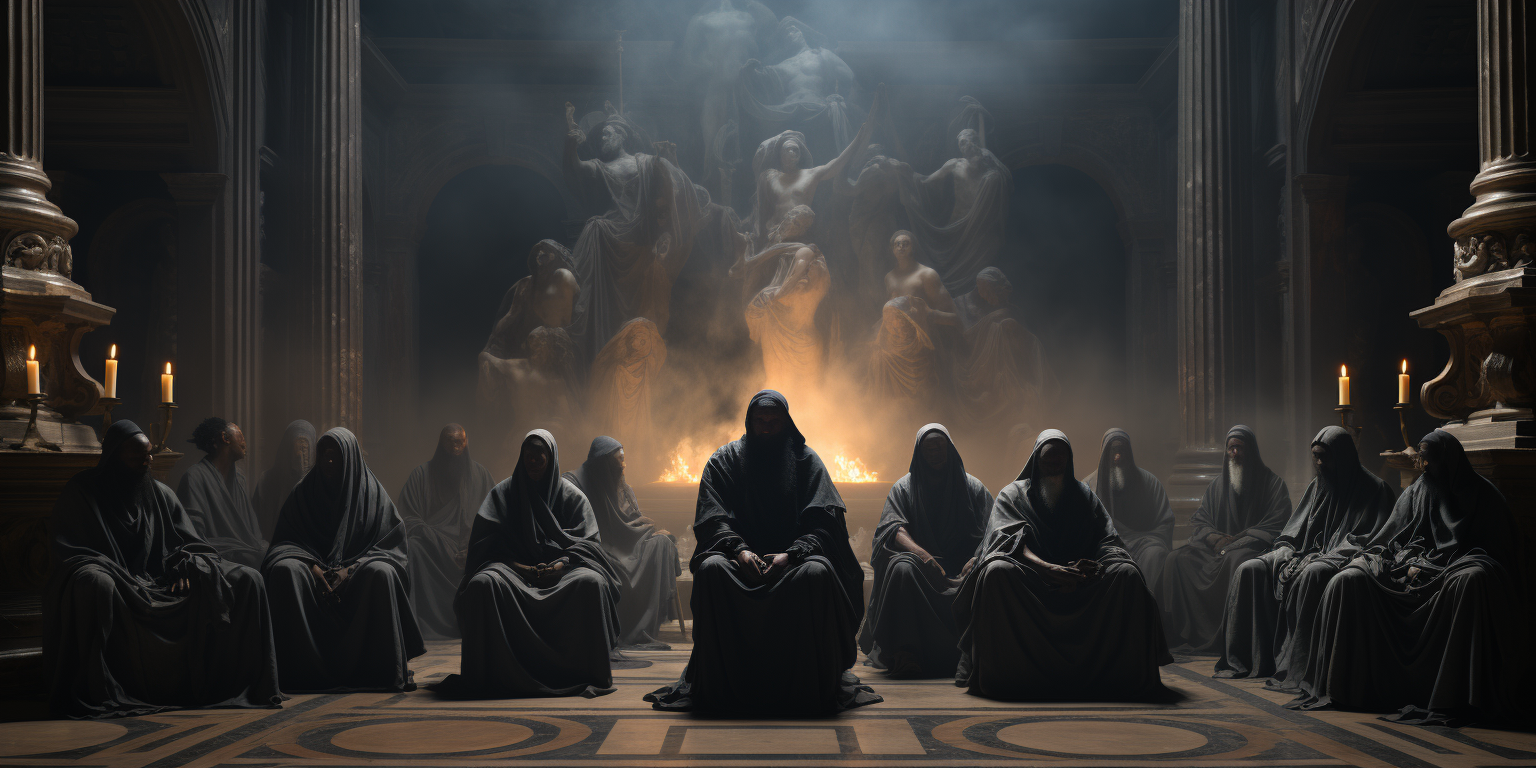
1000 years before the “Arrival”, contact was made with Earth. The messages sent back and forth took nearly 10 years to arrive to the other planet, so having an exchange took a long time. However, once both planets were aware of the other, a new golden age began. The Chromos, a group of scientists, religious leaders, and great thinkers of their time, coordinated the messages that were sent back and forth. The Chromos established rules to govern what sort of information could be shared and what would be deemed too dangerous. While rules on sharing technology were strict, rules on sharing art, music, natural history, and literature were far more lax. This; raised the value of these studies, created a cerebral age of enlightenment and allowed for a long period of time when the two planets shared a great wealth of information.
The Chromos wrote two important books, which took their entire lifetime to complete: the “Two Blue” and the “Inner Song.” The Two Blue laid out all the political agreements between the two Worlds, looking far into the future to a time when both societies might actually meet face to face. It held all the guidelines for sharing information, forms of governments that had recorded documentation, methods for electing the global leader, and much more.
The “Inner song” was more of a religious work that delved into the spiritual nature of meeting a species from across the universe. It laid out ways to pray and held a worldview based on connectivity to each other. The concept of Hell, which had been utilized in different ways on both planets, was abolished. The text declared that loneliness was the ultimate Hell, but together we transcend.
The first collaborative project was “Chromos Vision:” A photograph that showed the Chromos from Ahkam holding a photograph of the Chromos from Earth. While Earth’s Chromos had a photograph that was the opposite: Earth’s Chromos holding up a photograph of Ahkam’s. Using recursion, they alternated between the two groups seemingly into infinity. These photographs were symbols of the generations of contact between the two worlds.
Over the hundreds of years that followed, the Chromos were raised to an almost religious position in society. Both Earthlings and Ahkamians viewed them as Christians might view the 12 Apostles.